

As one octogenarian musician once wrote – The Times They Are A-Changin’, and changing they certainly are, especially if you’re an older person living in Aotearoa New Zealand.
Bob Dylan wrote that song more than 50 years ago and like many past retirement-age, he’s still working, still touring, still thriving – at the age of 84.
In our society, where youth, innovation and risk-taking are celebrated, it’s vital we recognise the immense value older people bring to Aotearoa New Zealand. Our older people are a powerful force of wisdom, resilience, and contribution. Their importance is structural, economic, and deeply cultural.
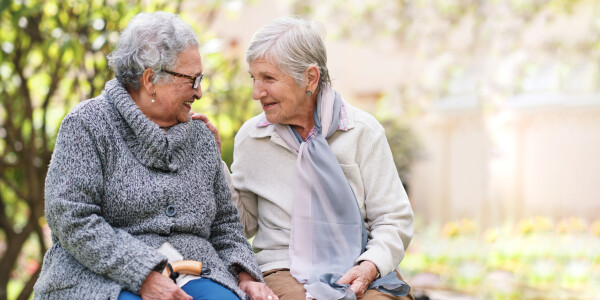
Older people are the keepers of our stories. They hold the lived experience of decades of social change, economic evolution, and cultural transformation. Their insights into what has worked—and what hasn’t—are invaluable. Older New Zealanders enrich our collective understanding of what and who we are and help us to avoid the mistakes of the past.
According to New Zealand Census data, employment among those aged 65 to 69 rose to 44% in 2023. For 70 to 74-year-olds, 24.7% are still working and nearly 10% of those 75 and older. Those staying in the workforce bring with them stability, institutional knowledge and a strong work ethic.
Our older people contribute significantly to society by providing unpaid labour – they care for grandchildren, for their partners, for their adult children living with disabilities. These roles, invisible in economic calculations are essential and relied upon by us to allow us to continue to function.
While there isn't a single figure for the economic value of elderly volunteers specifically, their efforts are part of the estimated $4 billion national value of formal unpaid labour in the non-profit sector and the even larger $41.4 billion estimated total value of unpaid care work in New Zealand. Older volunteers often contribute more time to unpaid activities than younger people, and their participation builds more connected, inclusive, and resilient communities.
Culturally, kaumātua play a central role in Māori communities, guiding tikanga and ensuring the transmission of language, tradition and leadership. Across all cultures in New Zealand, our older people provide the emotional anchor for families and communities.
Yet despite their major positive contributions, both socially and economically, older people often face ageism and marginalisation. Look around you – ageism is silently pervasive. Harmful and negative stereotypes of age are everywhere. Older people are frequently portrayed as dependent, weak, forgetful and almost always technologically illiterate.
In addition, there is a view that older people need to be protected. In doing this, many decisions and freedoms are denied to them. Older people are absolutely capable of determining their own needs and wants. We must challenge this narrative. Ageing is not a decline, rather it is a phase of life rich with potential, purpose, and pride.
In the health and disability sector, the older people we work with challenge us to think differently about ageing, to design services that are not only accessible but empowering. Their voices allow us to shape systems that uphold dignity, autonomy, and choice. At Enliven, we are privileged to work alongside older people who are redefining what it means to age well in New Zealand.
At the same time the number of younger people as a proportion of the population is decreasing which will cause issues with having enough staff available to work with our seniors.
As we look to the future, let’s ensure that older people are not just included—they are central. Their value is not in what they used to do, but in what they continue to do every day. They are our teachers, our caregivers, our leaders, and our friends. In recognising their importance, we strengthen the very fabric of New Zealand society.
Now is the time to act. Let’s commit—individually and collectively—to valuing older people not just in words, but in deeds. Whether you’re a policymaker, a service provider, a neighbour, or a family member, ask yourself: What am I doing to ensure older people feel seen, heard, and respected? Because when we uplift our elders, we strengthen the heart of our nation.