

Dementia is often described as a disease that slowly takes a person away. What is less visible—but just as devastating—is how it erodes the lives of those who care for them. Across New Zealand and beyond, carers are quietly carrying an immense emotional, physical, and financial load, often with little recognition or support. Their stories make one thing clear: society is not doing enough.
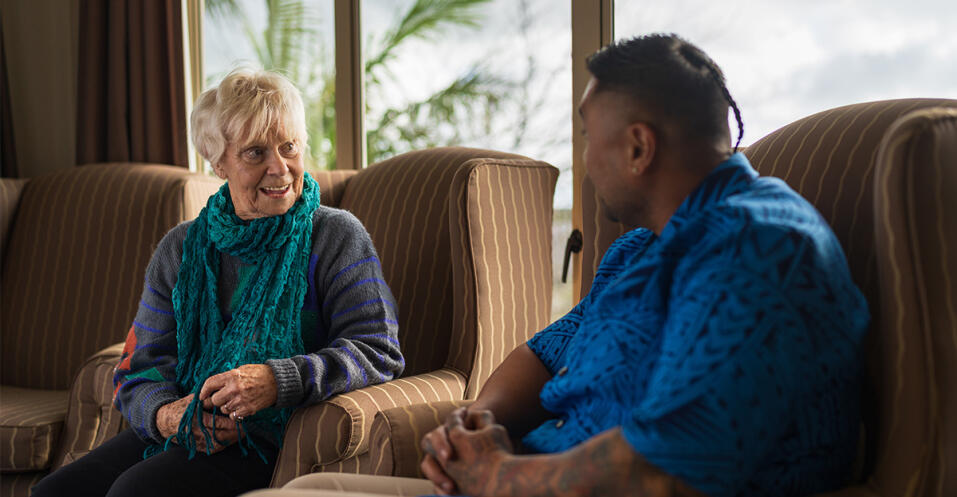
Listen closely to carers, and a pattern emerges. One woman describes how friends routinely ask after her husband’s wellbeing but never hers. “Sometimes it would just be nice if someone said, how are you? How are you coping?” This simple omission reflects a deeper societal blind spot. We see the person with dementia—but we overlook the person holding everything together behind the scenes.
Carers are not just companions; they are nurses, administrators, cooks, and emotional anchors. Many are older themselves, managing their own health while providing round-the-clock care. One woman, in her 80s, speaks candidly about the fear of becoming sick: if she can no longer care for her husband, there is no clear backup plan. This is not an isolated concern—it is a systemic gap.
The reality of caregiving is relentless. Even when injured—such as one carer who fractured her spine—basic responsibilities do not disappear. Meals must still be prepared, laundry done, medications managed. There is no pause button, only endurance.
Social isolation compounds the strain. Dementia can alter behaviour in ways that others find difficult to understand, leading to friends and extended family to drift away. As one carer put it, “People that you think would be there for you, they’re not.” This quiet withdrawal leaves carers navigating an already challenging journey alone.
Meanwhile, the health system often fails to respond quickly or effectively. Several carers recount being dismissed in the early stages, with their loved ones symptoms misinterpreted as relationship issues rather than neurological decline. Delayed diagnosis not only prolongs uncertainty but also deprives families of early support and planning opportunities.
Yet within these stories, there are glimpses of what meaningful support looks like. Community-based services like day services run by Enliven provide structured activities, social connection, and crucial respite. One carer describes how attending an Enliven day service gave her husband “a place where he belongs” while allowing her time to rest and regain her own sense of self. These day services are not luxuries—they are lifelines.
Enliven also provides home-based support services (personal care, household care) which provide additional support to carers to take some of the load.
The benefits extend beyond practical relief. For people living with dementia, engaging in activities, forming friendships, and maintaining a sense of identity can significantly improve quality of life. For carers, even a few hours of respite can reduce burnout and restore emotional resilience. It is a powerful example of how targeted support can make a tangible difference.
We have a system where help does exist but not at the scale or accessibility required.
So, what must change?
First, we need to recognise carers as a central part of dementia care. This means routinely checking in on their wellbeing and offering practical help. A simple question—“How are you?”—should not be rare.
Second, investment in home based and community services must increase. Expanding and appropriately funding services in the home, day services, respite care, and carer support groups would ease pressure on families while improving outcomes for people with dementia. These services are cost-effective and importantly humane. Most people want to live at home for as long as they possibly can so how can we support both them and their carers to do this for longer.
Third, public awareness must improve. Dementia is still widely misunderstood, leading to stigma and avoidance. We would like communities to respond with empathy rather than retreat. People living with dementia are still there and can do things. Talk to them not about them!
Fourth, the healthcare system must do better at early recognition and ongoing support. Carers’ observations should be taken seriously, and pathways to diagnosis and assistance should be clear and responsive.
At its heart, this issue is about dignity—not just for those living with dementia, but for the people who stand beside them. Carers are sustaining a hidden system that would otherwise collapse. They are doing society’s work, often without recognition, and too often without help.
We can do better. Not with grand gestures, but with practical, sustained commitments: more services, better support, and a cultural shift that values carers as much as those they care for.
Because dementia is not just an individual diagnosis—it is a shared societal responsibility.
By Wendy Hoskin, GM Health & Disability Support Services, Presbyterian Support Northern